
“Employee Engagement” can be defined as “the emotional commitment, passion, and dedication an employee has towards their work, team, and organization.” It’s a workforce characteristic that, in recent years, has been on the decline.
According to the Gallup State of the Global Workplace: 2026 Report, global employee engagement dropped to 20% in 2025, marking two straight years of decline and the lowest level since 2020. Even more eye-opening is the fact this disengagement cost the global economy over $10 trillion in lost productivity in 2024, with manager burnout, AI uncertainty, and hybrid work challenges driving the drop.
With so much at stake, it’s surprising some organizations have tended to ignore the lack of engagement shown by their employees. However, there’s also a growing trend to raise employee engagement through core policies and behaviors that nurture and grow this essential ingredient for higher worker motivation and productivity. They include the following:
1) Provide Purpose and Meaning
Providing purpose and meaning is crucial for building employee engagement because it transforms work from a mere task into a meaningful contribution, fostering deeper emotional commitment. When employees understand how their work makes a difference (the “why”), it directly increases their motivation, productivity, and retention. When the purpose is clear and authentic, work becomes a contribution, not a task, with employees understanding how their individual efforts connect to wider company goals.
Application tip: Do this regularly and across the organization. Don’t assume this is not necessary for lower level employees or contractors. Everyone working in the organization should know how their work contributes to the mission and vision. Ensure managers know how critical this conversation is and have it regularly with their people.
2) Build Trust in Leadership
Building trust nurtures employee engagement by creating a secure, psychologically safe environment that drives increased motivation, productivity, and loyalty. When employees trust leaders, they feel valued and empowered, leading to higher commitment, stronger collaboration, better performance, and significantly lower turnover rates. Trust underpins every aspect of employee engagement, and leaders who build that trust through consistency, honesty, and fairness forge highly engaged workforces.
Application tip: Do not take trust for granted or believe it’s static. Trust can be weakened overnight when a leader’s message doesn’t match their actions. Leaders must operate ethically at all times and be congruent in what they say and do. Do not tolerate leaders who do not operate in such a manner. Learn about the current state of trust by reading the annual trust report assembled by the Edelman Trust Institute.
3) Show Recognition and Appreciation
Showing recognition and appreciation builds employee engagement by validating efforts, building pride in work, and fostering a sense of belonging. Genuine and timely recognition boosts motivation and morale, making employees much more likely to feel engaged. Recognition and appreciation, even when it takes the form of small gifts, demonstrates that an employee’s contributions matter. The “culture of appreciation” builds morale and subsequently employee engagement.
Application tip: Know your people and personalize the gifts to suit them. Taking this extra step can go a long way to engender loyalty and commitment. For example, if someone really likes movies, give them gift cards to their favorite theater. If another likes matcha, get them a gift box of matcha tea and matcha-infused goodies. Another tip is to understand how people want to be recognized. Some appreciate private conversations while others may like to be acknowledged publicly. Don’t assume. Find out.
4) Provide Growth Opportunities
Most employees want to see a future for themselves within a company, and that future often involves more than perfunctory promotions and cost-of-living raises. True growth opportunities entail skill development and new challenges. When organizations show employees clear career paths to higher levels, those employees tend to show increased levels of commitment, loyalty and engagement. Even meaningful lateral moves to round out skills and understanding of how the company works can be a growth opportunity. Providing such growth opportunities builds employee engagement by satisfying the universal human need for learning and progress, transforming work from a routine task into a meaningful career journey. 
Application tip: Talk to each person 1-on-1 and find out what they want to achieve in their career. What job do they aspire to? What skills do they most want to learn? By taking the time to have this meaningful conversation, it will be much easier to co-create a career path that excites and motivates them more than money. Also, consider creating career paths for individual contributors and managers. Not everyone wants to manage others and an organization that only has that path to future growth will lose people.
5) Provide Clear Goals and Expectations
Providing clear goals and expectations builds employee engagement by reducing uncertainty, fostering trust, and aligning daily tasks with company strategy. When employees understand their role and what success looks like, they’re more likely to meet goals, resulting in higher confidence, ownership, and reduced frustration. Companies should therefore set goals that are ambitious but achievable, with employees encouraged to accept challenges that trigger their personal growth.
Application tip: The work done on the front end to set clear expectations is incredibly valuable. Organizations often move quickly and leaders drive that pace. Understand that slowing down to speed up should be a mantra. The clearer the expectations are, the faster one can go.
6) Support Autonomy & Empowerment
Micromanagement has been called the bane of the workplace because it erodes trust, kills morale, and stifles the very creativity and productivity that managers are usually trying to increase. To circumvent micromanaging, provide employees with some degree of control in their workplace. Define clear goals that allow for flexibility in task fulfillment and employee ownership of tasks and responsibilities. When employees have the freedom to make decisions and control their work, they feel more valued, leading to higher job satisfaction and increased engagement.
Application tip: Accept mistakes as part of the deal when giving autonomy and latitude to make decisions. People grow more from mistakes than failure and are more likely to take risks that can provide handsome ROI when they know failure within reason is encouraged and accepted. Create decision-making frameworks that guide people towards making wise decisions in alignment with how their leaders think and operate.
7) Install Multiple and Active Lines of Communication
Installing multiple and active lines of communication builds employee engagement by ensuring information is accessible, fostering a culture of transparency, and making employees feel heard. Employees seek guidance, feedback, and support from their managers, and regular and genuine communication engenders stronger employer-employee relationships. Constructive two-way feedback loops are a vital component of such communication, giving employees effective means for expressing their suggestions and concerns. Communication channels can take a number of forms such as live individual and group meetings or engagement surveys. Managers should practice active listening to truly understand what employees are saying and to act in ways that incorporate that input to build employee engagement.
Application tip: What employees truly appreciate is when their feedback is heard, acknowledged and acted on. In cases when it cannot be acted on, then that should be communicated. Leaders should also be willing to talk about what they are working on to be better in their roles. When leaders show this level of vulnerability and ask for feedback on how they are doing, it goes a long way to develop engagement.
8) Foster Inclusion and Belonging
It’s well-known that people engage more when they feel they belong. Therefore, fostering inclusion and belonging is a key strategy for building employee engagement. Inclusion creates a safe, valued, and respected environment where employees are motivated, productive, and committed to staying. Inclusion gives everyone a voice and encourages active listening. Recognition and respect for cultural diversity is also strengthened when inclusion and belonging are integral to the business culture.
Application tip: The most effective way to get this done is through people. Actively develop the culture to be one that’s inclusive. Work to be congruent with your words and actions that show you believe in inclusivity. Encourage those who are less vocal and reserved to be a part of the dialogue by promoting other means of speaking out such as in writing or smaller meetings.
9) Create a Work/Life Balance within the Organization
Exhausted employees do not benefit the long-term goals of the organization. While the competitive environment may suggest that working to the extreme is absolutely vital, that’s a losing formula. Leaders committed to developing employee engagement know that their people have interests outside of work, they have families, friends and hobbies. Stripping their ability to engage in such activities that recharge them will eventually take its toll on engagement. Recent Gallup data suggests this may be even more critical for women in management. They often strive to get ahead working long hours only to get exhausted and suffer for it. Creating a strong work/life balance builds employee engagement by fostering trust, reducing burnout, and signaling that the organization values employees as whole people, not just productive assets. Smart managers know that the boundaries between work and personal time should always be valued and respected. Organizations and clubs that support work/life balance, augmented by mental health advocacy through counseling, workshops, and other events are essential components for creating a workplace where work time and personal time amicably coexist.
Application tip: As stated previously, be the example. When leaders work long hours and send messages at all times including weekends, it sends a message that those who work for you should do the same. It’s hypocritical to say you support work/life balance and yet not live it. People want to work for leaders who are energized and enjoy life outside of work. Take the opportunity to be that type of leader.
10) Invest in your employees’ professional development
Investing in employee professional training and development builds employee engagement by signaling that the organization values them, which boosts loyalty, morale, and productivity. Training provides a clear path for advancement, increases job satisfaction, and gives employees a sense of purpose. This investment can take several forms including mentoring, sponsoring, coaching, in-person and online training, access to on-demand training libraries such as LinkedIn Learning, external conferences, sponsoring, and employee resource groups. Studies have shown conclusively that every investment made in employee development pays back many times over with more productive and engaged employees.
Application tip: Start where you are with what you can provide and afford. Steadily build up your offerings to employees as the organization grows. If you already offer a wealth of options, examine them to see how they can be improved and regularly get feedback from employees on what options they most appreciate.
In Conclusion: Bring Together All the Elements
It’s important to know that the above-mentioned elements for building employee engagement don’t work in isolation. They work together. Engagement is co-created by management and employees, each being a partner in building an optimum workplace. Employee engagement is less about rewards and more about instilling fundamentals of loyalty, trust, and a positive commitment that becomes part of the business’s DNA. More than ever, engaged employees are vital to a company’s success.
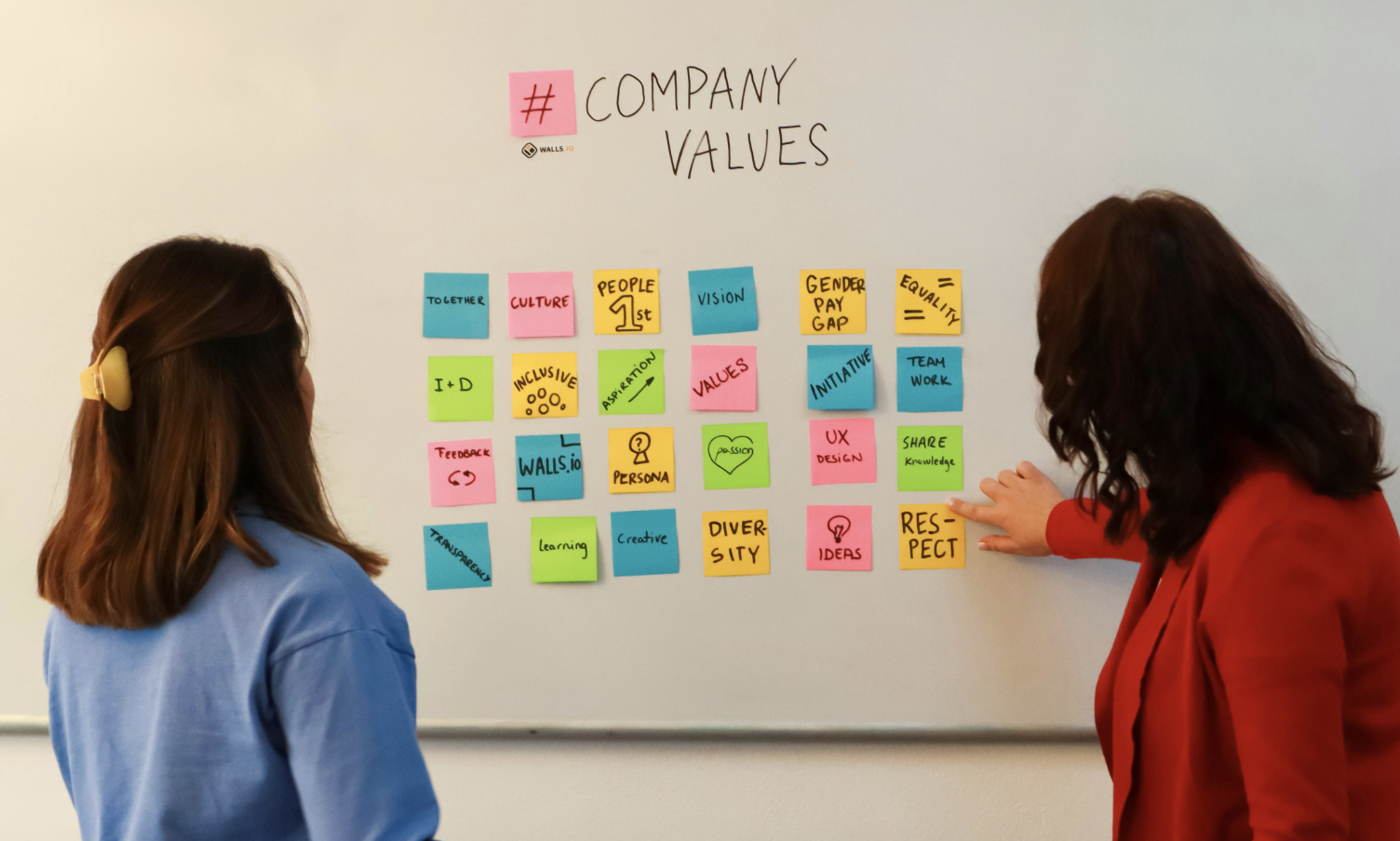
If you are not sure what your current level of engagement is, then look into the implementation of employee engagement surveys to get data. Once you have a current level, seek to raise it by employing the ideas stated above to raise it each year. You’ll reap numerous benefits by doing so including a much more robust pipeline to support your succession planning goals.
Addenda
Measuring Employee Engagement
Employee engagement has been the topic of much research and study over the years, and there are several excellent tools available for assessing its presence in your company. Some popular tools include:
1) Gallup Q12: Known as an industry standard, this instrument uses a 12-question survey to measure core conditions for employee success.
2) Culture Amp: This analytical platform specializes in employee engagement surveys, feedback, and in-depth analytics.
3) TINYpulse: Focuses on sending brief, recurring engagement surveys to measure sentiment.
4) Officevibe: Specializes in anonymous pulse surveys to track employee morale.
5) Lattice: A platform combining engagement surveys, performance reviews, and OKRs (Objectives and Key Results) for continuous feedback.
6) Genos GOES: The Genos Organizational Effectiveness and Employee Engagement Survey (GOES) is a data-backed assessment tool from Genos International designed to help organizations measure and improve employee experience, performance, and workplace culture. You can learn more about it on our website.
Learn More
Extensive resources are available for learning more about employee engagement and how to foster it in your workplace. Here’s a short list to get you started:
Books
- Employee Engagement For Dummies by Bob Kelleher
- Employee Engagement – Lessons from the Mouse House! By Pete Blank
- The Great Engagement: How CEOs Create Exceptional Cultures By Tom Willis and Brad Zimmerman
- Engagement That Rocks: Enhance Employee Experiences and Retain Chart-Topping Talent By Jim Knight
- Empowering Employee Engagement: Reignite Commitment through Shared Responsibility By Heikki Rinne and Lasse Mitronen
YouTube Videos
- Employee Engagement by Patrick Lencioni
- From Employee Engagement To Employee Experience
- What is Employee Engagement?
- 4 Proven Strategies for Increasing Employee Engagement
- Employee Engagement: an Introduction
Gallup Articles
- What Is Employee Engagement, and How Do You Improve It?
- U.S. Employee Engagement Sinks to 10-Year Low
- Gallup Indicators: Employee Engagement
- U.S. Employee Engagement Declines From 2020 Peak
- State of the Global Workplace 2026
Resources on the Bay Area Executive Coach Website
- Elevate Your Leadership: Harnessing the Power of Praise | BAEC Leadership Series (video)
- Women Managers and Leaders are More Engaged and Burned Out (blog post)
Employee engagement does not need to be elusive. You can raise it with a plan and consistent execution. We don’t offer AI skills training, but we do offer a variety of other programs that may benefit your teams. If you would like help to create a plan, measure engagement at your organization, or to support the execution of steps in your plan, contact us to have a no-obligation exploratory conversation.
Get our monthly newsletter to receive relevant articles, resources and news. Instantly receive a guide on “Tips for Making Big Decisions with More Confidence!” when you subscribe.
Here are more resources related to this article:
Articles
- 3 Ways to Raise Employee Engagement
- RAISED: 6 Steps to Raising Employee Engagement
- A Proven Way to Raise Employee Engagement
- Building a Best Place to Work: Foster Open and Transparent Communication in Your Workplace
- Glassdoor Rankings Uncover What Makes Companies the Best Places to Work
- Building a Best Place to Work: Install Anonymous Employee Survey Software
- Building a Best Place to Work: Place Mental Health and Well-Being on Par with Physical Health
- Empowering Change: How Servant Leadership Cultivates a Thriving Workplace Culture
- The role of Team Training in Building Company Culture
Guide
YouTube Videos
Featured photo is from ©Yan Krukau via Pexels. Secondary photo is from ©Walls.io via Pexels.