
Executive Summary
Micromanagement, while often unintentional, can severely hinder workplace productivity, morale, creativity, and growth. Many leaders fall into this trap by believing they are safeguarding quality, but in reality, they signal distrust and suppress their teams’ potential. This blog post explores 12 common traits of micromanagers, the negative impacts on both people and performance, and provides a roadmap to break free from these habits. By learning to trust, delegate, and focus on outcomes over control, leaders can create empowering environments that foster autonomy, innovation, and lasting results.
••••
Table of Contents
-
Understanding Micromanagement
-
12 Common Traits of Micromanagers
-
The Harmful Impacts of Micromanagement
-
Damaged Morale
-
Project Delays
-
Creativity Suppression
-
Reduced Ownership
-
Increased Stress
-
Stunted Growth
-
High Turnover
-
-
How to Stop Micromanaging Your Team
-
Foster Clear Communication
-
Delegate with Trust
-
Set Clear Expectations
-
Focus on Results, Not Control
-
Promote Training and Development
-
Recognize Achievements
-
Offer Timely, Not Premature, Help
-
Shift to Positive Thinking
-
-
Final Thoughts and Support Options
-
Further Learning: Micro-Engaging Video Resource
Despite its well-known detrimental effects on the workplace, micromanagers remain much too common. Although mostly unintentional, the micromanagers’ actions convey a lack of trust in employees’ abilities to handle their responsibilities independently. They are often convinced that they alone are capable of making good decisions or completing tasks successfully and therefore avoid delegating responsibilities to employees.
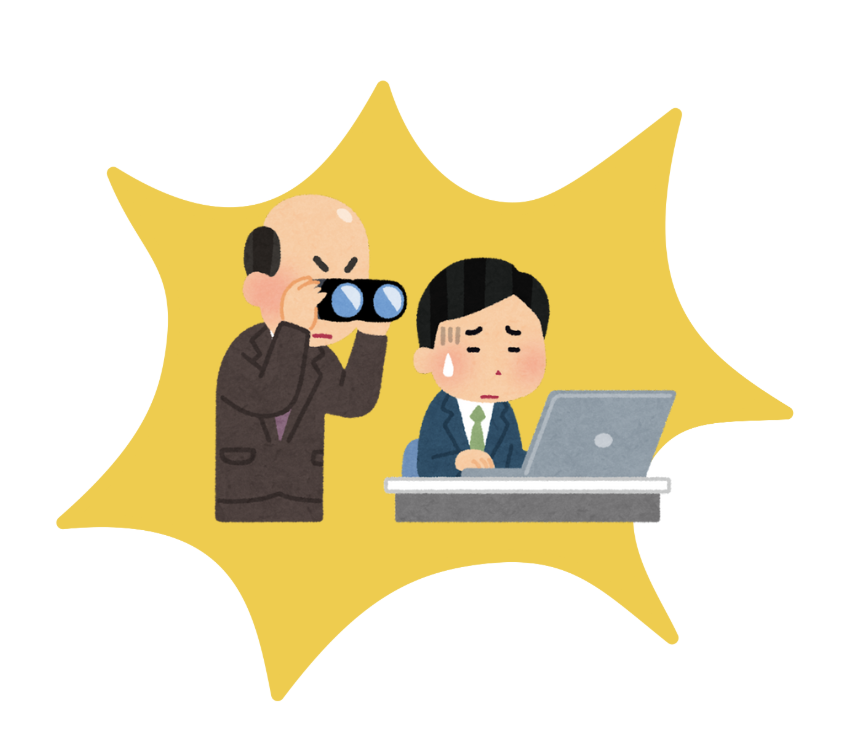
A micromanager takes personal charge of the smallest details of tasks and decisions within a team or organization and supervises employees in an extremely close manner.
This oppressive supervision damages employee morale, motivation, and initiative. Micromanagement leads to decreased productivity and less creativity among affected employees.
Since these consequences are unlikely the manager’s intention and clearly not in the best interest of the company, the employees, or the manager him/herself, all leaders need to ask themselves these two questions: “Could I be a micromanager? and “how can I overcome this management trap to better lead my team to success?”
12 Common Traits of Micromanagers
Now’s a good time to honestly ask yourself if any of these characteristics apply to you:
- Micromanagers require continuous updates on work progress to the point that it becomes disruptive to the people doing the work.
- Micromanagers resist delegating tasks based on the assumption that they can do it better than anyone else on staff.
- Micromanagers become overly involved in the work of their employees to the point where the employee feels insignificant.
- Micromanagers discourage independent decision-making and creativity, adopting a policy of “my way or the highway.”
- Micromanagers give excessively detailed instructions, implying that the person assigned the task is incapable of figuring anything out for themselves.
- Micromanagers expect overly detailed progress reports regularly.
- Micromanagers insist on being cc’d on every piece of email activity.
- Micromanagers focus incessantly on small details instead of concentrating on results.
- Micromanagers measure and monitor everything to an extreme.
- Micromanagers wish to attend and often take over all staff meetings, both formal and informal.
- Micromanagers consistently revise other people’s work, even when that work was done correctly.
- Micromanagers ignore traditional boundaries separating management from staff, essentially poking their nose into other people’s personal business or work styles.
How Micromanaging Can Negatively Impact a Business
Micromanaging can bring a company or a department to a standstill. Here are some of the most common ways it disrupts workflows and creates less-than-ideal workplace environments:
- Damages Employee Morale – A micromanaging leader can leave employees feeling inadequate, incompetent, and demoralized. When employees feel that their every move is being watched over and their decisions are constantly being overruled, their morale and enthusiasm for work crash.
- Leads to Project Delays – When every job activity and decision has to channel through the manager, the workflow invariably suffers and slows down. Micromanaging can therefore lead to missed deadlines and project delays.
- Discourages Creativity – Micromanagement stifles creativity and innovative thinking. Micromanaged employees tend to stop thinking creatively, which makes them largely uninterested in exploring new ideas or approaches. When this pipeline of fresh solutions and process improvements is either stifled or turned off completely, a business can stagnate.
- Reduces Ownership – Employees thrive when they have ownership of their tasks and projects. Micromanagement robs them of this ownership, causing them to feel like cogs in a machine rather than valued contributors.
- Increases Stress – The constant pressure of being micromanaged can lead to heightened stress levels among employees and even, in more extreme cases, to job burnout. Excess stress negatively impacts a person’s mental and physical well-being, which in turn transfers to their on-the-job productivity.
- Hinders Personal and Job-Related Growth – Employees learn and grow when they face challenges, make mistakes, and find their own solutions. Because micromanagement hinders learning opportunities, this natural growth process is thwarted, which affects employees’ growth and advancement in the workplace.
- Increases Employee Turnover – Anyone who’s ever worked for an incessant micromanager will tell you that it was likely the reason they left that job. Micromanagers can create a damaging talent drain within the company, not to mention the costs involved with constantly hiring and training new employees.
How to Stop Micromanaging Your Team
If you relate to some micromanaging traits mentioned above, don’t despair, you’re hardly alone. Many leaders have unintentional micromanagement qualities. Take action by putting into practice some of the following proven methods to put yourself back on track to being the effective leader you strive to be.
- Open Your Door to Clear and Consistent Communication – It’s essential to foster a culture of open communication where team members feel comfortable discussing their ideas, concerns, and progress. Regular check-ins can replace constant monitoring. Open channels of communication can also alleviate any concerns a manager might have about the assigned tasks not being completed on time or to the expected standard.
- Learn to Delegate With Trust – Delegation is a key management skill that micromanagers tend to neglect. Even if you’re initially uncomfortable delegating key tasks to others, it’s essential to push past such reluctance. Give employees the chance to overcome challenges and find solutions independently. This will also help them to understand their mistakes and avoid those mistakes in the future. Always provide the necessary resources and support, but trust employees to accept an assigned task with the freedom to find their own solutions.
- Establish Clear Expectations – Micromanagement can be rooted in a fear that employees left to their own devices are certain to do something wrong in ways that significantly impact business results. Setting clear expectations for each employee’s role, responsibilities, and objectives can minimize the likelihood of serious miscues arising. If everyone knows exactly what they should be doing and when, there’s no need to follow their every move. Ensuring from the start that everyone knows the plan of action is a step to quashing micromanaging.
- Focus on Results, Not Methods – It’s not uncommon for micromanagers to think that their way is the best way. Yet someone on the team might have another way of doing things that works just as well, at times even better. Shift your focus from how tasks are accomplished to the results achieved. Encourage employees to share their ideas on workflow improvements. Actively embrace different approaches and be sure to credit their source when those ideas work out better than the status quo.
- Emphasize Training and Development – Growing your team’s skill set through training and development is an ideal way to overcome micro-managerial tendencies. When employees feel they’re improving their skills and knowledge, they become more confident and capable. This also allows managers to demonstrate more trust and take a step back. Offering regular feedback sessions that focus on growth and improvement rather than criticism can also help replace constant supervision.
- Recognize Achievements – Recognition boosts morale and makes team members feel valued for their contributions. Always be sure to give credit where credit’s due.
- Time Your Help Wisely – Remember that time is any leader’s most valuable commodity. Employees are more willing to welcome assistance when they’re already engaged in a task or a project and have experienced its challenges firsthand. In such cases, it’s a good use of your time to provide the asked-for assistance. It’s not a good use of time to take over before such assistance is requested.
- Think Positively – Micromanagers tend to be negative thinkers: “I better do it myself because someone else is sure to get it wrong. – I can’t trust anyone here to do anything right. – We’re sure to miss that deadline unless I step in. – They’ll never figure it out on their own.” Instead of wallowing in this thought pattern, replace the negativity with a positive, optimistic mindset: “The team is well trained, so I’m confident they’ll do a great job. – I’ve heard some good ideas from team members that I’m going to let them try out. – They can work where they want and how they want, so long as they do good work delivered on time. – I trust my team to give their best efforts. – They know better than I do how to do their jobs, so I can just let them work and not worry about it.”
We’re Here to Help!
If you have room to grow and would like to accelerate your progress, consider working with an executive coach. We help leaders focus on those areas that need attention and will benefit them and their organizations. Schedule a complimentary meeting with us to learn more about how we can guide you to greater effectiveness.
Get our monthly newsletter to receive relevant articles, resources and news. Instantly receive a guide on “Tips for Making Big Decisions with More Confidence!” when you subscribe.
Have you heard of “micro-engaging”? It’s different from micromanaging, but equally stunting in limiting a team’s growth and confidence. Watch this video from our Leadership Series:
Key Takeaways
-
Micromanagement is more common than most leaders realize and is often driven by fear, perfectionism, or lack of trust.
-
12 hallmark behaviors, such as excessive supervision, resistance to delegation, and obsession with details, are red flags leaders must recognize in themselves.
-
Negative impacts include stifled creativity, poor morale, project delays, and high turnover, all of which hurt long-term success.
-
Breaking free from micromanagement requires intentional effort: delegate thoughtfully, communicate clearly, and focus on results rather than control.
-
Leaders can thrive by promoting autonomy, providing development opportunities, recognizing contributions, and shifting toward a trust-first mindset.
-
Executive coaching can accelerate this transformation by offering tailored feedback and guidance on leadership effectiveness.
Here are more resources related to this topic:
Articles
- 10 Essential Decision Making Tips for Managers
- Mistakes Managers Make Part
- Mistakes Managers Make Part 2
- From Manager to Leader: Executive Coaching for Leadership Development
- The Authoritative Guide to Executive Presence
eBook
Guide
YouTube Videos
- Decisive Leadership: How to Make Better Decisions
- Don’t Panic! How to Stay Accountable in 6 Common Tough Situations as a Leader
- Are You Having These 2 Important Meetings as a Manager?
- 6 Surefire Steps to Get the Right Work Done!
Featured photo is created ©Canva. Secondary photo is created from ©Canva.