
Starting off on the right foot with a new manager is one of the most important steps you can take to set the tone for your success. Whether you’ve stepped into a new role or are adapting to leadership changes within your organization, the early weeks offer a valuable window to build trust, strengthen communication, and demonstrate professionalism. This blog outlines eight practical strategies from initiating communication and building rapport to adapting your communication style and staying patient during transitions, that will help you establish a strong working relationship with your new manager. By applying these principles with consistency and emotional intelligence, you can navigate change with confidence and position yourself for long-term success.
•••
The initial weeks with your new manager, whether through an internal promotion or a position at a new company, are crucial for establishing a successful working relationship. This period offers a prime opportunity to build trust, showcase your abilities, and foster a productive relationship. Here are some practical tips to ensure you get off to the strongest possible start with your new manager.
- Initiate Communication: Be proactive by requesting a short get-acquainted meeting with your new manager. Don’t wait for them to come to you. Prepare yourself for this meeting by drafting an agenda that includes a brief introduction about yourself and an overview of your responsibilities, communication preferences, and specific skills. In this meeting, ask insightful questions about your manager’s goals and plan for achieving them. Show genuine interest in your boss and ask how you can best support them. Be sure to share your accomplishments and insights but, more importantly, listen actively and attentively. Pay attention to their responses, ask clarifying questions, and take notes to ensure you understand their perspective and expectations.
- Act Professionally: This encompasses a range of behaviors and attitudes. Be on time to all meetings. Dress in harmony with the office culture. Meet deadlines and demonstrate that you’re trustworthy and responsible. Demonstrate through your work and demeanor your commitment to the role, team, and company. Look for opportunities to add value, solve problems, and improve processes without being explicitly asked. Make sure your wins are recognized by your boss without boasting or diminishing the role of your peers in your success.
- Build Rapport and Trust with Your New Manager: This harkens back to the importance of cultivating and practicing emotional intelligence in your personal and professional life. Empathy, authenticity, and transparency in your interactions at work will make a strong impression on the people you work with and work for. Show your boss you can be trusted to deliver quality work on time. See if you have common interests unrelated to work that can work to build your mutual rapport. Perhaps your new boss likes some of the same musical artists as you, shares some of your hobbies and interests, or follows the same sports teams. Whatever the case may be, look for clues to establish genuine rapport.
- Avoid Office Politics. When communicating with your new manager, avoid making any negative comments about other employees or past interpersonal conflicts. Keep your comments positive and future-oriented. Managers understand most workplaces have office politics in some form, but mature and goal-oriented employees focus on the needs of the organization first and avoid getting caught up in political issues.
- Be Patient with a New Leader: A new manager’s arrival often initiates a prolonged transition period. It’s not unusual for that transition to last for weeks or even months, especially for new leaders coming from outside the company. During this time, it’s normal for work to feel somewhat more difficult and demanding. Keep in mind this transition is temporary and it will likely resolve in a positive manner, given the time. Practicing patience can help you navigate any added stress and maintain a positive attitude throughout the change in management.
- Adapt to their Communication Style: Observe whether your new boss prefers email, instant messages, Zoom, or face-to-face discussions. Do they want concise bulleted statements or detailed reports? Do they like to engage in small talk before getting to the topics at hand, or do they cut to the chase? Adapting your communication style to match the new manager shows your flexibility and makes collaboration smoother.
- Show Respect for Their Time: Show up prepared for meetings, deliver concise updates, and minimize disruptions. Your manager will notice and appreciate your efficiency and perceived respect for their time.
- Be Supportive: Your new boss may feel some level of insecurity in their job. Remember that a strong relationship is a two-way street. Look for ways to make your boss’s job easier – whether by anticipating needs, streamlining workflows, or simply delivering quality work consistently. When your boss succeeds, you succeed.
Working well with a new manager is important because it allows you to continue progressing within your role, even as your organization experiences substantial change. New managers often need time to understand their team members and identify reliable employees. While this transition might be challenging, especially if you had a strong bond with your previous manager, the qualities that led to your past success can be applied again. Adapting to a new manager involves maintaining your best habits while remaining adaptable to new expectations.
G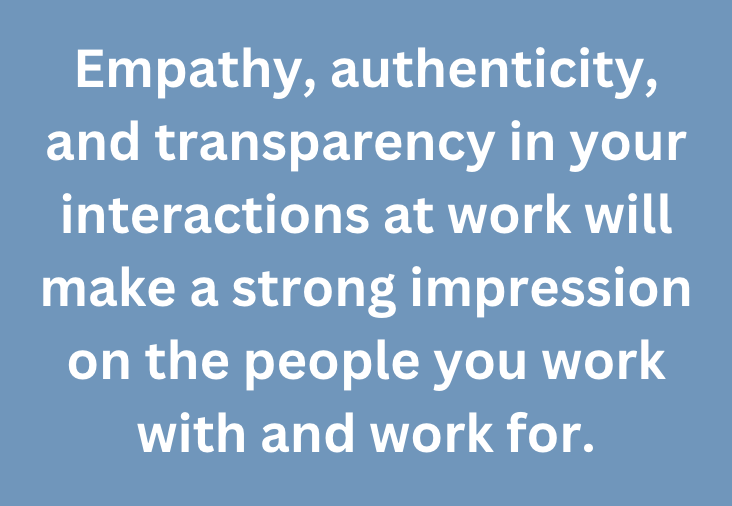 et our monthly newsletter to receive relevant articles, resources and news. Instantly receive a guide on “Tips for Making Big Decisions with More Confidence!” when you subscribe.
•••
A new job, a new company, or a new boss all illustrate a dominant aspect of business in the 21st century, that of constant change. Navigating change on any level can be challenging, and that’s where an executive coach can help you find your way forward towards success. Contact us today to learn how a tailored coaching program can help you manage and leverage change for career growth.
Here are more resources from Bay Area Executive Coach related to this topic:
Articles
- Strategies for Success in Your New Role
- Use Executive Presence to Springboard Your Career
- Key Responsibilities and Skills Required for a New Leadership Role
- From Manager to Leader: Executive Coaching for Leadership Development
- Self-Awareness: A Foundation of Leadership Success
Case Study
eBook
YouTube Videos
- How to Get Promoted at Work – 8 Ways! | Top Strategies for Job Advancement
- Are These Behavioral Issues Standing in the Way of Your Greater Career Success?
- The Hidden Traits of an Inspiring Leader (Even if you don’t see yourself as inspiring!)
- Elevate Your Leadership: Harnessing the Power of Praise
Photo copyright: Featured photo is from ©RDNE Stock Project via Pexels.