
Executive Summary
Emotional Intelligence (EI) has become a defining factor in effective leadership, with research consistently linking high EI to improved adaptability, communication, conflict resolution, and employee engagement. Leaders who cultivate EI are better equipped to foster supportive, high-performing teams and drive organizational success.
|
This blog highlights five core EI skills that elevate leadership: self-awareness, self-regulation, motivation, empathy, and social skills. Each skill is illustrated with examples of renowned leaders who have demonstrated these qualities in practice, offering inspiration and real-world context. By developing these skills, leaders not only strengthen their own impact but also create lasting positive influence on their teams and organizations.
••••
Numerous studies have established a strong correlation between Emotional Intelligence (EI) and effective leadership. Leaders with high EI tend to be more adaptable, better communicators, and more skilled at resolving conflicts within their teams.
They’re also more adept at creating supportive work environments that grow employee engagement and productivity. Overall, EI plays an important role in shaping successful leaders who inspire, motivate, and drive their teams toward success.
EI encompasses a wide range of behavioral and cognitive skills. However, five EI skills have emerged as particularly salient for leaders who seek to embrace EI as a core component of their leadership style. These skills, and examples of business leaders who exemplify them, are listed below in non-preferential order:
- Self-Awareness: A cornerstone of EI, self-awareness involves recognizing and understanding one’s own emotions, strengths, and limitations. Self-awareness empowers leaders to make thoughtful decisions and manage their sentiments in various, often stressful, situations.
Self-awareness places the leader at the center of everything happening around them, with a clear understanding that how they show up can greatly affect business relationships and outcomes. Examples of well-known self-aware leaders include:
Microsoft CEO Satya Nadella‘s self-awareness and sensitivity to others precipitated a shift in Microsoft’s culture towards collaboration and innovation, significantly improving employee morale and company performance. He is also open to criticism and engages in reflection. His perspective on having a ‘learn it all’ mindset rather than a ‘know it all’ mindset is incredibly refreshing for a CEO.
Apple’s Tim Cook is well-known for championing inclusiveness and diversity within his organization, leveraging his sense of self-awareness to foster a supportive and innovative work environment. He also knows his limitations as an engineer and seeks to lead with humility.
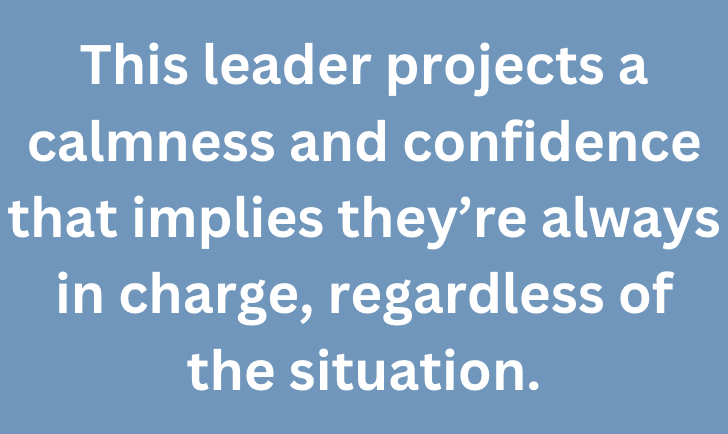
- Self-Regulation: Building upon self-awareness, self-regulation is the ability to control impulsive behavior and emotional responses. Individuals who are skilled in regulating their emotions maintain composure, even under pressure. This leader projects a calmness and confidence that implies they’re always in charge, regardless of the situation. They avoid impulsive actions and take time to analyze options before making impactful decisions. Leaders who are adept at self-regulation are more likely to inspire their followers and command their respect.
One leader renowned for his calm demeanor is Warren Buffett of Berkshire Hathaway. The “Oracle of Omaha” is widely regarded as an even-keeled leader who doesn’t let exuberance intrude when things go well, and who conversely doesn’t despair when times are tough. Buffett’s self-regulated temperament has been a driving force behind the spectacular growth of Berkshire Hathaway in the past 30 years.
Leaders should not be prone to big swings in temperament that are displayed for all to see. Leading this way creates the impression that a leader isn’t entirely in control of themselves. That can affect trust in their leadership.
- Motivation: Emotionally intelligent leaders are able to sense, tap into and influence the emotions of those they lead. Thus, EI helps leaders be more motivating. The right motivational approach drives everyone on the team to put forth their best efforts.
Amazon’s Jeff Bezos was widely recognized for his compelling and motivational leadership style. Bezos had an unwavering focus on customer needs and famously embodied the perspective of Day One. As a motivational leader, he consistently inspired and challenged his team to uphold the highest standards. His leadership enabled Amazon to become the world’s largest and most successful online marketplace.

- Empathy: The ability to understand and share the feelings of others or be willing to help someone who’s in distress is a foundational pillar of emotional intelligence. Empathy in leadership roles encourages genuine connections, facilitates effective communication, and promotes inclusivity. An empathetic leader connects more deeply with their team. Active listening, perspective-taking, and showing genuine interest in others’ feelings and experiences are essential practices for cultivating empathy.
Steven Galanis is the CEO and co-founder of Cameo. This thriving online platform allows fans to book personalized video shoutouts from their favorite celebrities. As part of his post-pandemic strategy, Galanis prioritized transitioning his team back to in-office work after an extended period of remote operations. But rather than issue a blanket “return to the office or be fired” directive, Galanis empathized with workers who had made working from home a central element of their lives. “We wanted to make working at our headquarters a perk, not a punishment,” commented Galanis.
“I realized I was asking a lot of our team members to give up their workplace flexibility, so I wanted to compensate them for that in a meaningful way.” That compensation took the form of a $10,000 cash bonus for returning to the office four days a week, free parking, a daily catered lunch, and free access to an on-site gym. Galanis’ empathy for others resulted in a workforce that felt much more enthusiastic about returning to onsite work.
- Social Skills: These skills include effective communication, active listening, conflict resolution, receptivity to feedback, and collaboration. Leaders with well-developed social skills are better positioned to foster strong relationships, creating cohesive and high-performing teams. Engaging in networking with colleagues, participating in group activities, and actively seeking feedback from team members are effective ways to develop these skills.
The former COO of Facebook, Sheryl Sandberg, used her storytelling ability and simple language to enhance her communications. She also demonstrated how listening was an important part of communication. Sandberg used body language to convey confidence and strength, and she emphasized the importance of stepping outside of one’s comfort zone. Her career has been built on speaking up and taking risks, and she encourages others to do the same.
The famed media producer and television personality, Oprah Winfrey, is known for her abilities to hold productive conversations with people from all walks of life. Winfrey projects a genuine desire to have authentic interactions with people, clearly communicating interest and empathy. Her listening skills make her so effective. She’s also equally skilled at expressing the ideas uppermost in the minds of her audiences. Her highly refined social skills are clearly evident in how she interacts with the myriad people she encounters on a daily basis.
Leaders who want to connect on a deeper level with their colleagues and teams will benefit greatly by developing in these five areas. Emotional intelligence is not a nice to have but rather a must have for leaders who want to succeed long-term by engaging and retaining their best employees.
Get our monthly newsletter to receive relevant articles, resources and news. Instantly receive a guide on “Tips for Making Big Decisions with More Confidence!” when you subscribe.
•••
Whether you’re aiming to become a leader with a high level of Emotional Intelligence or want to enhance your existing EI skills, our training programs and 1on1 or team coaching services are designed to support your journey. Get in touch with us to learn more about our wide spectrum of Emotional Intelligence services.
You can also delve more deeply into the concepts described in this blog by watching this video we recently produced.
Key Takeaways:
-
EI is essential for leadership success—it shapes communication, decision-making, and team performance.
-
Self-awareness enables leaders to recognize their influence on relationships and outcomes.
-
Self-regulation fosters calm, measured decision-making under pressure.
-
Motivation drives persistence, growth, and inspires teams to achieve shared goals.
-
Empathy builds trust, inclusion, and stronger team connections.
-
Social skills enable effective communication, collaboration, and conflict resolution.
-
Leaders like Satya Nadella, Warren Buffett, Jeff Bezos, Oprah Winfrey, and Sheryl Sandberg demonstrate the profound impact EI can have on organizational culture and results.
-
Investing in EI development benefits both leaders and their teams, creating resilient, innovative, and engaged workplaces.
If you’re interested in learning more, here are some resources:
Articles
- 9 Top Signs You Need an Emotional Intelligence Coach
- Self-Awareness: The First Step to Emotional Intelligence for Sales Professionals
- Eight Powerful Benefits of Emotional Intelligence in the Workplace
- How to Build Trust and Connection Through Emotional Intelligence
- Bay Area Executive Coach to Offer Genos International Emotional Intelligence Assessments
- Leading with Emotional Intelligence
YouTube Videos
- 4 Reasons Why You Need to Invest in Your Emotional Intelligence as a Leader
- Leadership Assessment for Emotional Intelligence
- Using Emotional Intelligence in Executive Coaching With Expert Trevor Blondeel
- Improve Communication Using the “Three Levels of Conversation” in Your Business
- How to Have Better Sensitive Conversations as a Leader
- What is Conversational Intelligence? An Introduction to C-IQ
- Unlocking Empathy: The Key to Exceptional Leadership
Case Studies
- Guiding a Leader to Employ Emotional Intelligence at Work
- How Conversational Intelligence Helped Resolve Friction in a Manager-Staff Relationship
eBook
Guide
Photo copyright: Featured photo is from ©olia danilevich via Pexels. Secondary photo is from ©Mikhail Nilov via Pexels.